November 5, 2026
A secure home depends on an integrated defense system where overhead shingles and exterior drainage channels operate in perfect harmony. When residential drainage channels fail, rainwater routinely backs up, causing pervasive moisture intrusion that rots wooden framing and ruins pristine drywall. Property owners frequently overlook how essential coordinated drainage channels are for defending eaves against excessive precipitation. Engaging a professional roofing company ensures that every component directs moisture away from vulnerable structural edges rather than permitting dangerous pooling. By prioritizing the correct water management configurations, homeowners safeguard structural durability, avoid expensive emergency repairs, and preserve indoor comfort through all severe seasons.
Evaluating Roof Pitch and Drainage Dynamics
Every residential structure presents specific architectural characteristics that dictate how rapidly precipitation cascades toward exterior edges during intense downpours. Steeply pitched roofs propel high volumes of rainwater downward at elevated velocities, overwhelming undersized troughs that lack adequate capacity. Experienced tradespeople carefully calculate total square footage and slope incline before recommending specific channel profiles capable of managing peak environmental surges. When water flows too rapidly without controlled guidance, it splashes upward against lower decking boards, generating concealed rot beneath exterior surfaces. Professional evaluations from a reputable roofing company can pinpoint potential vulnerability points, establishing customized drainage strategies that handle substantial water volumes without risking exterior moisture intrusion.
Installing Seamless Channels With Custom Aluminum Fabrication
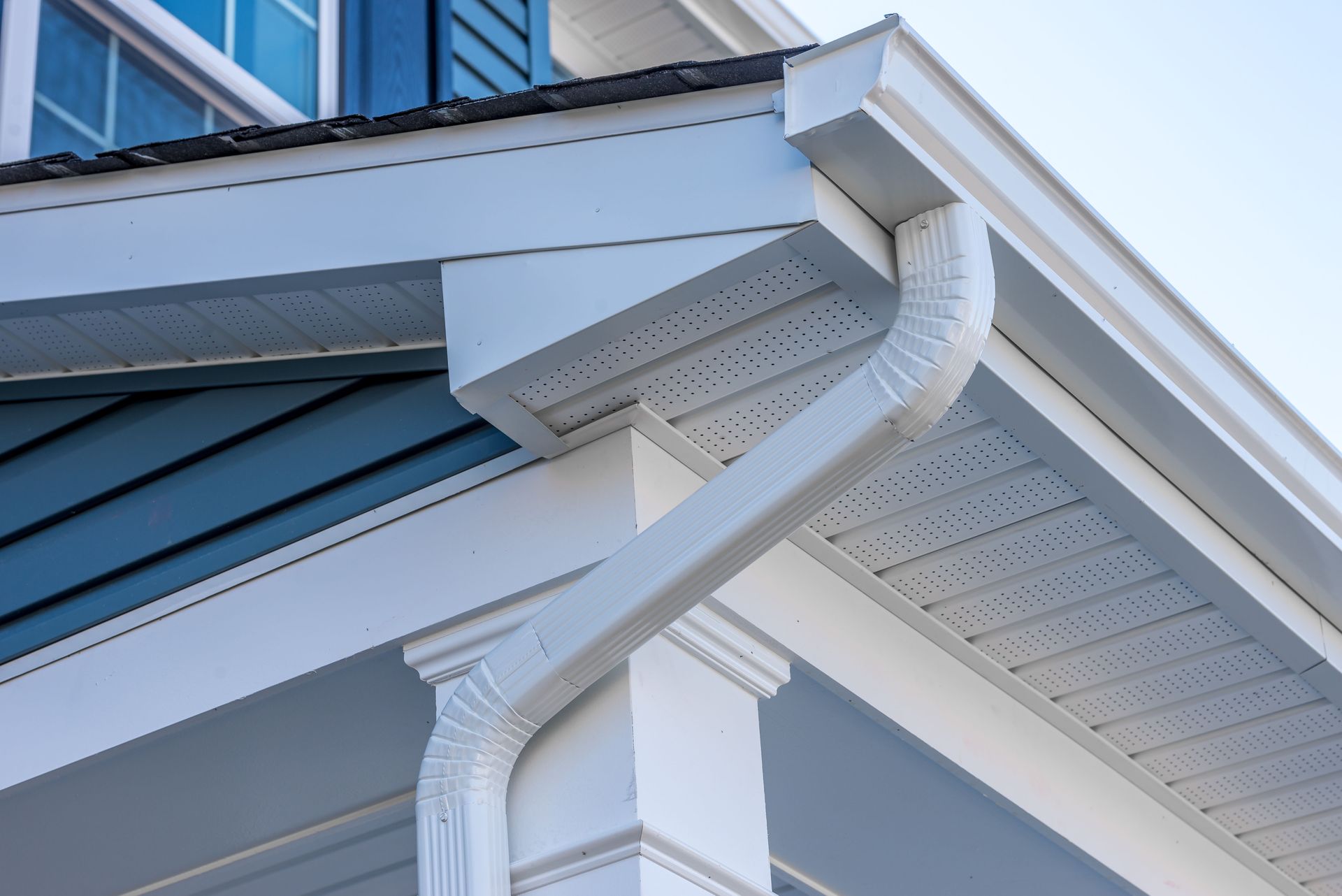
Sectional metal troughs rely on numerous spliced joints that gradually separate under shifting temperatures and heavy environmental expansion. Over time, these compromised connection points allow continuous moisture droplets to seep directly onto exterior fascia boards and interior walls. Fabricating continuous metal runs on-site removes intermediate seams, producing sleek profiles that guide runoff toward downspouts without internal friction. Modern contractors utilize specialized mobile machinery to form continuous troughs tailored precisely to each home's unique perimeter dimensions. This continuous construction eliminates the primary weak links where ordinary drainage networks consistently fail during prolonged regional rainfall events.
Fastening Sturdy Hangers With Engineered Screw Placements
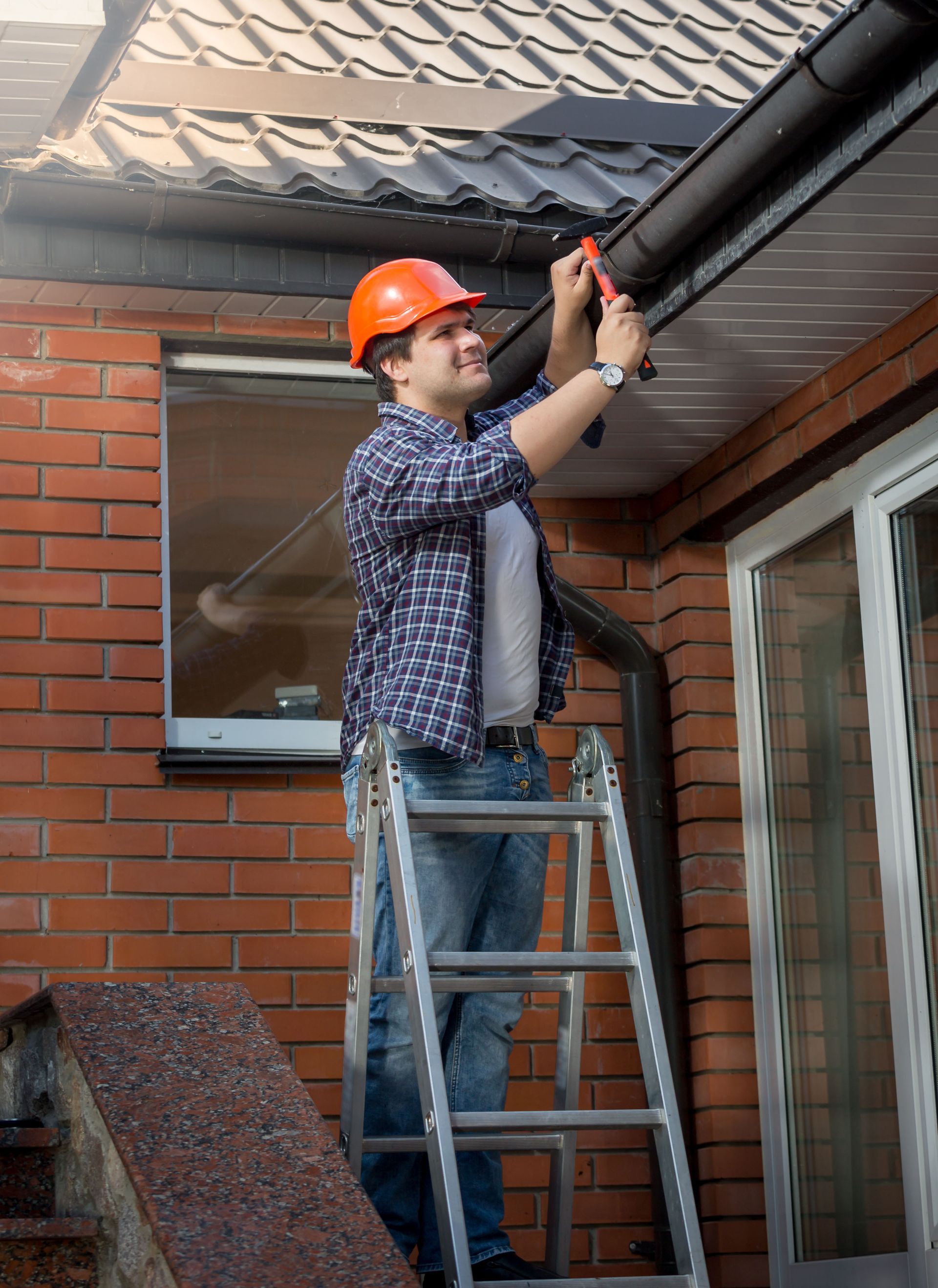
Ordinary gutter spikes eventually loosen from natural freeze-thaw cycles and heavy wet debris loads, sagging under extreme operational strain. When support brackets pull outward, standing water collects within dips, slowly overflowing backward behind metal flashing strips. Skilled contractors utilize heavy-duty hidden screw hangers placed at precise intervals along the fascia to ensure unyielding load-bearing support. According to IBISWorld, there are over 109k roofing contractor businesses across America. Selecting an experienced roofing company ensures that technicians secure these essential support brackets deep into solid rafter tails rather than merely piercing thin decorative trim boards.
Establishing Flawless Pitch Angles for Swift Water Evacuation
Level drainage troughs may look visually tidy from street level, but they ultimately trap stagnant water pools. Without a gentle downward slope, accumulated liquid sits indefinitely, creating heavy stress points that induce gradual bracket sagging. Qualified installers utilize high-precision digital levels to establish a subtle slope that draws rainfall smoothly toward downspout openings. Ensuring continuous transit prevents excessive weight buildup from stressing building eaves during intense, multi-hour cloudbursts. When runoff departs rapidly without delay, the threat of liquid splashing upward into soffit vents or interior attic insulation remains entirely eliminated.
Integrating Protective Drip Edges Behind Metal Troughs
Water exhibits strong natural surface tension, frequently curling backward underneath shingle tabs rather than dropping cleanly away into open channels. Without an overlapping metal flange, this rolling moisture directly contacts exposed roof sheathing, fostering hidden mold and structural degradation. Qualified mechanics slide durable L-shaped aluminum flashing under the primary underlayment and extend it over the rear channel lip. This mechanical barrier forces water droplets to release cleanly into the evacuation trough without contacting sensitive timber. Eliminating capillary action along the edge preserves structural integrity, preventing catastrophic leaks from penetrating upper living spaces over time.
Sizing Downspout Openings for Maximum Flow Velocity
Even the sturdiest exterior channels fail catastrophically if their exit outlets cannot discharge collected stormwater at adequate speeds. Narrow downspouts quickly choke during torrential downpours, causing broad exterior troughs to fill and overflow like cascading waterfalls. Seasoned exterior specialists integrate wide downspouts and smooth transition elbows to ensure collected rainwater exits promptly without bottleneck restrictions. Ensuring rapid flow prevents standing reserves from backing up beneath primary eave membranes during prolonged regional storms. Proper discharge sizing keeps the entire upper water management network breathing smoothly, protecting adjacent siding from relentless water staining.
Preventing Ice Dam Formations Through Superior Thermal Balance
Freezing winter weather introduces severe challenges when indoor warmth leaks into unventilated attic spaces, melting snow across upper rooflines. As liquid reaches cold, uninsulated overhangs, it refreezes instantly, forming dense ridges that force liquid water beneath shingles. Coordinating with a reliable roofing company ensures that contractors identify attic airflow deficits while configuring wide, heated drainage assemblies along exterior rooflines. Removing chronic pooling points discourages dense frozen blocks from anchoring themselves within crucial exterior eaves. Maintaining clear drainage routes all winter ensures melting snow evacuates safely instead of penetrating interior living rooms and finished ceilings.
Directing Discharged Runoff Safely Away From Foundations
Guiding moisture away from upper shingles solves only half of the moisture management battle if discharge pools near basement walls. Concentrated water cascading from vertical outlets rapidly saturates perimeter soil, generating hydrostatic pressure that cracks thick concrete basement footings. Knowledgeable specialists attach durable extension pipes or underground conduits that channel outgoing stormwater several feet beyond building perimeters. Directing discharge safely away preserves foundation stability while keeping lower exterior siding free from moist soil splashback. Comprehensive exterior planning considers the complete path of water, defending residences from upper rafters down to subterranean masonry.
Fitting Advanced Leaf Guards to Thwart Interior Clogs
Falling leaves, pine needles, and airborne twigs continuously settle into open channels, forming dense organic mats that block downspout funnels. When debris obstructs normal channels, accumulated rainfall spills backward over rear edges, soaking roof rafters and interior ceiling plaster. Installing micro-mesh screens or solid surface-tension covers keeps unwanted foliage out while permitting rushing water to drop inside freely. Partnering with a dedicated roofing company provides access to resilient filtration products that resist sagging under dense snow accumulations. Clean interior channels maintain steady velocity, ensuring precipitation vacates high eaves before saturated debris creates destructive backups.
Sealing Miters and End Caps With High-Grade Polymers
Corner junctions and terminal end pieces require durable, flexible sealants to withstand constant environmental expansion without splitting apart. Inferior silicone caulk dries, shrinks, and cracks under direct ultraviolet sunlight, opening small pathways for relentless moisture leaks. Expert exterior tradespeople apply commercial-grade elastomeric polymers engineered specifically for continuous water immersion and extreme outdoor temperature swings. These advanced compounds remain pliable over years of intense service, bridging moving metal gaps without pulling loose. Properly sealed joints prevent annoying dripping sounds while shielding exterior timber siding from unsightly rot and recurring water stains.
Resolving Fascia Rot Before Final Channel Mounting
Attaching new metal channels to decayed backing boards creates an unstable installation that inevitably detaches during severe seasonal windstorms. Soft, rotted timber cannot hold threaded fasteners securely, allowing heavy water-filled troughs to tilt downward and pull away. Reliable exterior experts thoroughly inspect structural framing along the entire roofline, replacing deteriorated wooden boards before securing new hardware. Discovering and curing moisture damage early eliminates underlying decay that might otherwise spread into deep attic rafters. Sound wooden backing provides an unyielding anchor, ensuring newly mounted drainage equipment remains straight, rigid, and dependable over decades.
Effective water management involves far more than simply hanging basic metal channels along the perimeter of an exterior roofline. When exterior professionals integrate durable seamless troughs, robust mounting brackets, proper pitch alignments, and resilient protective drip edges, residential leak possibilities plummet dramatically. Entrusting these intricate installations to an established roofing company ensures that every residential component functions smoothly to divert aggressive stormwater away from vulnerable home framing. Homeowners preserve property values, avoid hazardous structural decay, and enjoy peaceful protection throughout harsh seasonal weather events. Prioritizing meticulous gutter craftsmanship remains the smartest investment for maintaining a completely dry, secure residence permanently.
Are you seeking a reliable roofing company that serves Pennsylvania and New Jersey? Look no further than the roofing experts at Ludwig Roofing & Repair INC! Contact us today to schedule your next service appointment.